




How to Choose the Right Natural Crystal for Your Collection or Gift
December 5, 2025
Natural crystals are available in an incredible variety of colors, shapes, sizes, and mineral types. For someone who is new to crystals, choosing the right piece can feel exciting but also slightly overwhelming. Should you choose a polished stone or a natural cluster? Is a large crystal better than a small one? What should you look for when selecting a crystal as a gift? Understanding a few basic factors can make the shopping experience easier and help you find a crystal that matches your personal style, decorative needs, or collecting interests.
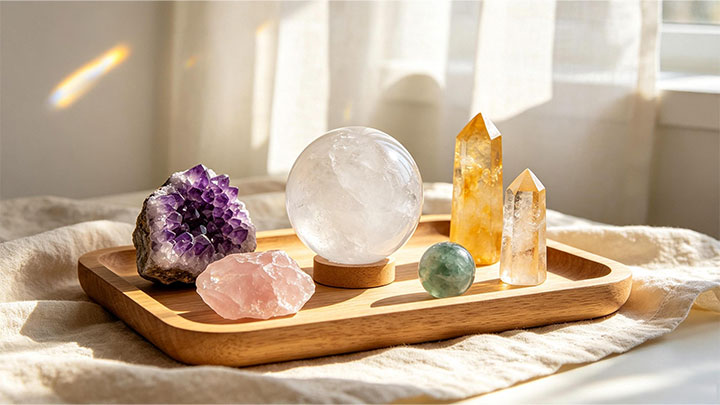
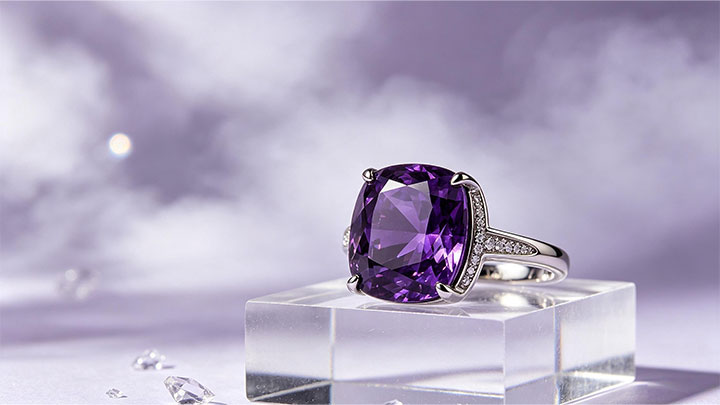
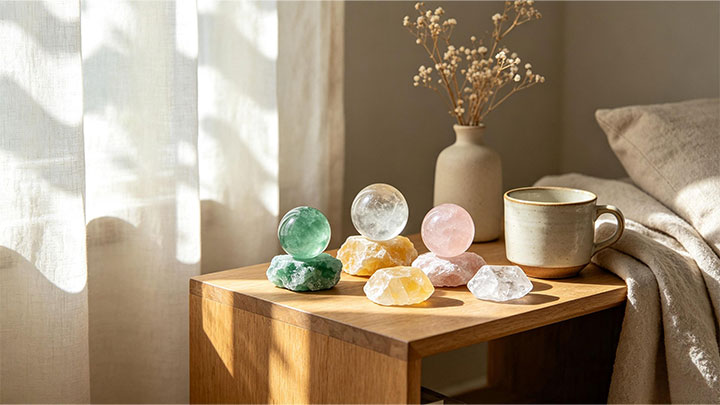
The first thing to consider is the type of crystal. Different minerals offer very different appearances. Clear quartz is known for its clean and transparent look, while amethyst stands out because of its purple tones. Rose quartz offers a soft pink appearance, and citrine is admired for its warm yellow and golden colors. Agate can display beautiful bands and patterns, while fluorite may feature multiple colors within a single stone. Labradorite is especially attractive because its surface can display flashes of blue, green, or gold when viewed from different angles.
Choosing a crystal often begins with visual preference. Some people are naturally drawn to bright and colorful stones, while others prefer transparent, neutral, or earthy tones. There is no single “best” crystal for everyone. A good choice is often the one that matches your personal taste and fits naturally into your collection or living space.
The shape of a crystal can also make a significant difference. Natural crystal clusters have an organic appearance and show the stone in a form that reflects its geological growth. Crystal points and towers create a more structured and modern look, making them popular for decorative displays. Tumbled stones are smooth and convenient to carry, while spheres offer a balanced and elegant appearance. Freeform polished crystals can highlight unusual patterns and colors within the stone.
Size is another important consideration. A small crystal can be ideal for a desk, bedside table, jewelry design, or personal collection. Medium-sized pieces can become attractive decorative accents, while larger clusters and geodes can serve as statement pieces in a room or commercial space. Larger does not always mean better. The quality of color, shape, clarity, and overall appearance may be more important than size alone.
Natural variation is one of the key characteristics of genuine crystal stones. When shopping for natural crystals, it is normal to see differences between pieces of the same mineral. One amethyst may be darker than another, while one piece of rose quartz may appear more transparent or contain different internal patterns. Natural inclusions, small fractures, and color variations may be present. These features can add character and make every stone unique.
If you are purchasing a crystal as a gift, consider the recipient's personality and style. Someone who enjoys minimalist design may appreciate a clear quartz point or a simple polished stone. A person who loves colorful objects may prefer fluorite, amethyst, or labradorite. For a housewarming gift, a larger decorative cluster or geode may make an impressive choice. Crystal jewelry can also be a meaningful option because it combines natural beauty with everyday wearability.
For collectors, learning about the origin and characteristics of different minerals can add another level of enjoyment. Crystal collecting can introduce you to a fascinating world of geology and mineral diversity. Some collectors focus on color, others on rare formations, and some prefer to collect crystals from specific regions. Keeping basic information about each piece, such as its mineral type and origin when available, can help build a more organized and meaningful collection.
The finish of a crystal is also worth considering. Natural rough crystals retain an organic and untouched appearance. They are ideal for customers who appreciate raw mineral formations. Polished crystals have smooth surfaces that can highlight color, transparency, and internal patterns. Neither style is better than the other. The choice depends on whether you prefer a natural geological appearance or a refined decorative finish.
When buying natural crystals online, product photographs and descriptions are especially important. Look for clear images that show the actual color and shape of the stone whenever possible. Because lighting can affect the appearance of crystals, colors may look slightly different under different conditions. Reading product dimensions and weight information can also help you understand the actual size of a piece.
Proper storage is another important part of crystal ownership. Softer minerals can be scratched by harder stones, so it is often helpful to store different pieces separately. Crystal jewelry may benefit from soft pouches or lined jewelry boxes. Larger decorative pieces should be placed on stable surfaces where they are less likely to fall or be damaged.
Whether you are purchasing your first crystal or adding another piece to a growing collection, the most important factor is choosing something you genuinely appreciate. Natural crystals offer endless variety, and every piece can have its own distinctive appearance. Take time to explore different colors, shapes, and mineral types. Compare polished and raw forms, small and large pieces, subtle and dramatic designs.
A natural crystal is more than just a decorative object. It is a piece of the natural world shaped by geological processes over an extraordinary period of time. By choosing a crystal that matches your taste, purpose, and style, you can create a collection that feels personal, beautiful, and uniquely your own.